New Ways to Listen and Get Feedback from Your Child or Teen

Parenting often feels like a one-way conversation. We tell our children what to do, how to behave, and what lessons we hope they will learn. We praise them with a cheerful “good job!” when things go right and correct them when they make mistakes. Yet, there are very few opportunities for our children to tell us what they think — how they see our actions, and how we might grow into more thoughtful, understanding adults.
For children and teenagers, giving honest feedback to parents can be uncomfortable. When we ask, “Did you like it?” after planning an activity or giving a gift, they often say yes — partly to avoid awkwardness. When emotions run high, they may lash out with strong words, but those outbursts are rarely helpful feedback. As they enter adolescence, many simply close the door and stop sharing altogether.
The difficulty lies in the nature of the parent–child relationship. We need structured, fact-based insights to understand and improve, yet the relationship itself is deeply emotional and subjective. Valuable cues often get lost in daily interactions, unspoken and unexamined.
There are many things we might wish our children could tell us honestly:
Do they think I treat them fairly compared with their siblings?
How do they feel about how I interact with their friends?
Would they like me to be more involved — or less — in their school and social life?
To uncover these insights, children need a way to share their thoughts that feels safe and simple. A practical approach is to use a pulse survey with mood tracking as the response method. Instead of asking open-ended or personal questions, parents can list a few recent events — such as a family dinner, a homework discussion, or a weekend outing — and invite their child to rate how each experience felt using a simple mood scale. For example, a “happy,” “neutral,” or “sad” face can represent positive, mixed, or negative feelings.
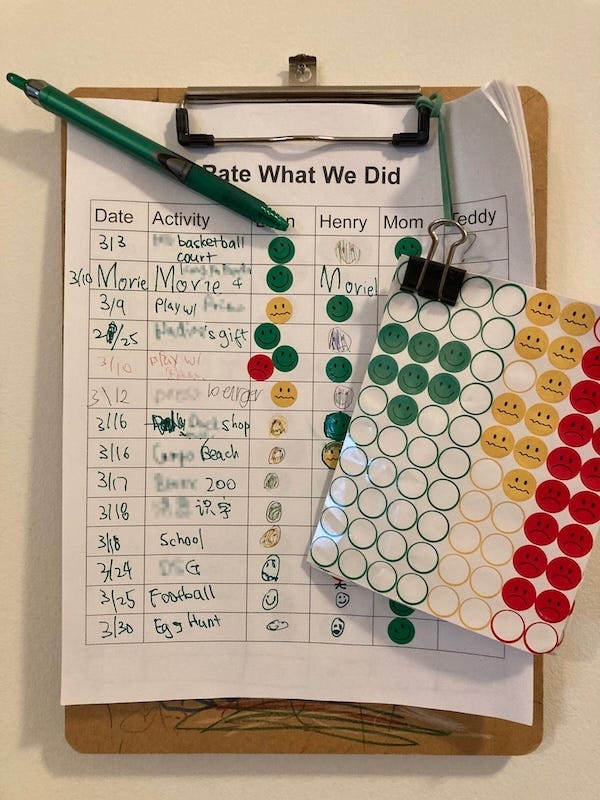
This combined approach keeps feedback focused on events rather than people, which encourages honesty and avoids defensiveness. It also makes reflection quick and engaging. Children can respond instinctively, without having to find the “right” words. Over time, these small, regular mood-based check-ins create a meaningful picture of the family’s life journey — highlighting what works well and where adjustments may help.
When children reach the age where they use smartphones, technology can make this process even easier. The Howis Self-Reflection + Feedback app, available on iOS, Android, and the web, enables parents to create short event-based pulse surveys and invite teens to participate. Each event can be rated with mood icons, and the app tracks responses over time, revealing patterns and trends that might otherwise go unnoticed.
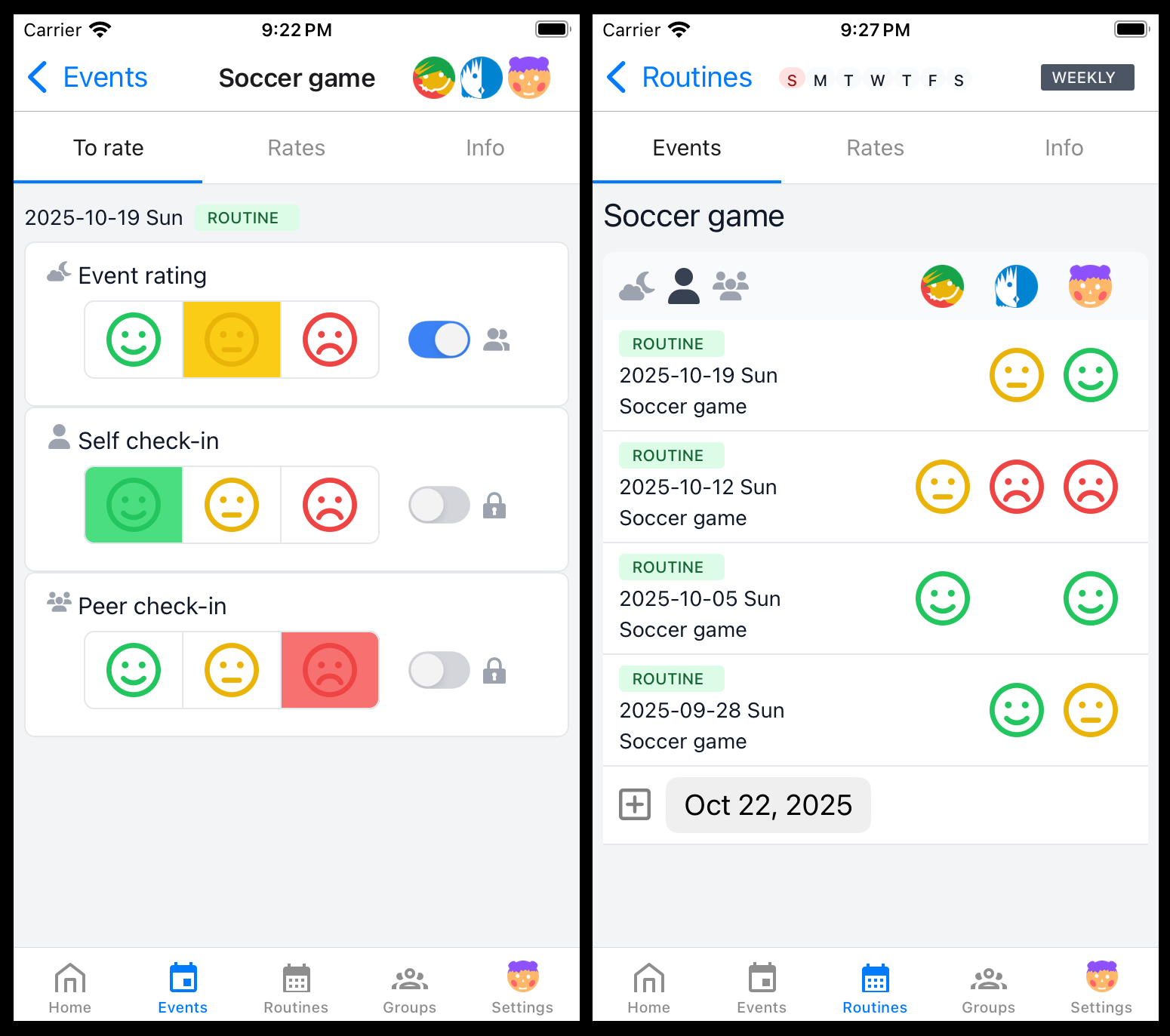
By using this kind of tool, parents can open a two-way channel of understanding — grounded in simplicity and emotional safety. Honest feedback helps families grow together, strengthens trust, and reminds children that their voices matter just as much as ours.